
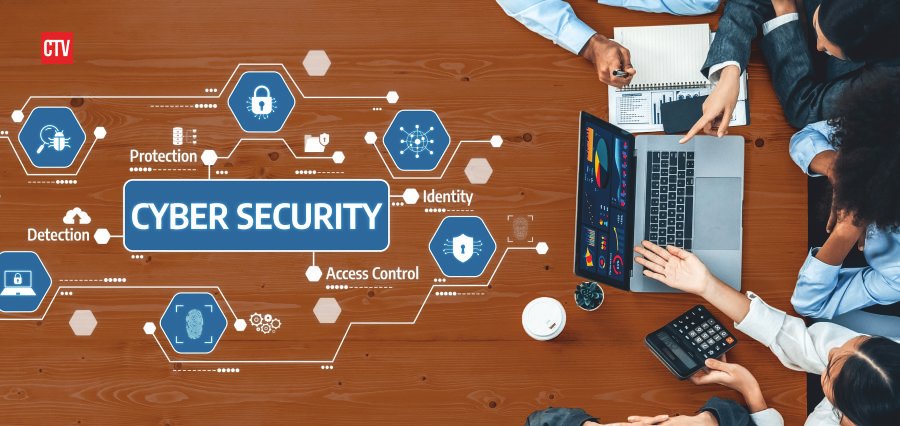
Organizations of every size now recognize cybersecurity as a critical business priority. As businesses rely more on digital technologies, cloud platforms, remote work, and connected devices, cyber threats continue to grow in both frequency and sophistication. Data breaches, ransomware attacks, phishing campaigns, and insider threats can disrupt operations, damage reputations, and lead to significant financial losses.
Implementing effective Cybersecurity Strategies For Modern Businesses is essential for protecting sensitive information, maintaining customer trust, and ensuring business continuity. A strong cybersecurity strategy combines advanced technologies, employee awareness, governance, and continuous monitoring to reduce risks and respond quickly to emerging threats.
This article explores 10 cybersecurity strategies for modern businesses that can help organizations strengthen their security posture and stay resilient in today’s digital landscape.
Why Cybersecurity Strategies For Modern Businesses Matter
Modern businesses manage valuable digital assets, including customer information, financial records, intellectual property, and operational data. Cybercriminals increasingly target organizations of all sizes because even a small security weakness can provide access to sensitive systems.
Strong cybersecurity strategies help businesses:
- Protect confidential data
- Prevent financial losses
- Maintain customer confidence
- Ensure regulatory compliance
- Minimize operational disruptions
- Support business continuity
- Reduce cyber risks
- Safeguard organizational reputation
A proactive cybersecurity approach is far more effective than reacting after an attack occurs.
10 Cybersecurity Strategies For Modern Businesses
1. Implement Multi-Factor Authentication (MFA)
One of the most effective Cybersecurity Strategies For Modern Businesses is implementing Multi-Factor Authentication (MFA). MFA requires users to verify their identity using two or more authentication methods before accessing business systems.
Authentication factors may include:
- Passwords
- Mobile authentication apps
- Security tokens
- Biometric verification
- One-time verification codes
Multi-factor authentication (MFA) helps prevent unauthorized access, even when passwords are compromised.
2. Conduct Regular Employee Cybersecurity Training
Employees are often the first line of defense against cyber threats. Regular cybersecurity awareness training helps staff recognize and respond to common attack techniques.
Training should cover:
- Phishing emails
- Social engineering
- Password security
- Safe internet browsing
- Data handling practices
- Reporting suspicious activity
Well-informed employees can prevent many security incidents before they occur.
3. Keep Software and Systems Updated
Outdated software frequently contains security vulnerabilities that attackers exploit. Businesses should establish a routine process for installing software updates and security patches.
Regular updates should include:
- Operating systems
- Business applications
- Firewalls
- Antivirus software
- Web browsers
- Network devices
Timely patch management reduces exposure to known security risks.
4. Strengthen Endpoint Security
Modern organizations use laptops, smartphones, tablets, and remote devices to conduct business. Each device represents a potential entry point for cybercriminals.
Effective endpoint protection includes:
- Antivirus software
- Endpoint Detection and Response (EDR)
- Device encryption
- Remote device management
- Secure configurations
Protecting every connected device strengthens the organization’s overall security.
5. Secure Cloud Environments
Cloud computing has transformed business operations, but organizations must secure cloud resources properly.
Best practices include:
- Strong access controls
- Identity and access management
- Data encryption
- Secure cloud configurations
- Continuous monitoring
- Regular security audits
Cloud security should be integrated into the organization’s broader cybersecurity strategy.
6. Develop a Comprehensive Incident Response Plan
Despite strong defenses, no organization can eliminate cyber risks entirely. An incident response plan helps businesses respond quickly and effectively when security incidents occur.
An effective plan should include:
- Incident identification
- Containment procedures
- Investigation processes
- Recovery strategies
- Internal communication
- Regulatory reporting requirements
Prepared organizations recover more quickly while minimizing operational disruption.
7. Encrypt Sensitive Business Data
Encryption protects information by converting it into unreadable data that can only be accessed using authorized encryption keys.
Businesses should encrypt:
- Customer information
- Financial records
- Employee data
- Business communications
- Backup files
- Cloud-stored information
Encryption provides an additional layer of protection even if data is accessed by unauthorized individuals.
8. Continuously Monitor Networks
Continuous monitoring enables organizations to detect suspicious activities before they become major security incidents.
Monitoring solutions may include:
- Security Information and Event Management (SIEM)
- Network monitoring tools
- Threat intelligence platforms
- Intrusion detection systems
- Security analytics
Real-time visibility allows security teams to identify unusual behavior and respond rapidly.
9. Perform Regular Security Assessments
Routine security assessments help businesses identify vulnerabilities before attackers can exploit them.
Organizations should conduct:
- Vulnerability assessments
- Penetration testing
- Risk assessments
- Compliance audits
- Security policy reviews
Regular evaluations strengthen the organization’s security posture over time.
10. Implement Data Backup and Disaster Recovery Plans
Reliable backups are essential for recovering from ransomware attacks, hardware failures, or accidental data loss.
An effective backup strategy includes:
- Automated backups
- Secure offsite storage
- Cloud backup solutions
- Backup testing
- Disaster recovery planning
Regularly tested backups help businesses restore operations quickly during unexpected incidents.
Benefits of Cybersecurity Strategies For Modern Businesses
Organizations that prioritize cybersecurity gain significant long-term advantages.
Key benefits include:
- Stronger protection against cyber threats
- Reduced financial losses
- Improved customer trust
- Better regulatory compliance
- Enhanced operational resilience
- Faster incident response
- Improved business continuity
- Greater protection of intellectual property
- Increased employee awareness
- Stronger organizational reputation
These benefits contribute to sustainable business growth while reducing cyber-related risks.
Common Cybersecurity Challenges
Businesses face several challenges when implementing cybersecurity strategies.
Common obstacles include:
- Increasingly sophisticated cyberattacks
- Limited cybersecurity expertise
- Budget constraints
- Remote workforce security
- Third-party vendor risks
- Rapidly evolving technologies
Organizations should continuously evaluate and improve their cybersecurity programs to address these evolving challenges.
The Future of Cybersecurity for Businesses
The future of Cybersecurity Strategies For Modern Businesses will involve greater use of artificial intelligence, behavioral analytics, automation, and zero-trust security frameworks. Organizations will increasingly rely on intelligent security systems that can detect, analyze, and respond to threats in real time.
At the same time, cybersecurity will remain a shared responsibility involving leadership, employees, technology providers, and business partners. Companies that invest in proactive security measures today will be better prepared to manage tomorrow’s cyber risks.
Conclusion
Cybersecurity Strategies For Modern Businesses are essential for protecting digital assets, maintaining customer confidence, and ensuring operational resilience. By implementing multi-factor authentication, employee training, endpoint protection, cloud security, continuous monitoring, encryption, and incident response planning, organizations can significantly reduce their exposure to cyber threats.
Cybersecurity is not a one-time project but an ongoing process of improvement. Businesses that adopt a proactive, risk-based approach will be better positioned to safeguard their operations and achieve long-term success in an increasingly digital world.
Frequently Asked Questions (FAQs)
1. What are cybersecurity strategies for modern businesses?
Cybersecurity strategies are policies, technologies, and best practices designed to protect business systems, networks, applications, and sensitive data from cyber threats.
2. Why is cybersecurity important for businesses?
Cybersecurity protects confidential information, prevents financial losses, ensures business continuity, supports regulatory compliance, and maintains customer trust.
3. What is Multi-Factor Authentication (MFA)?
Multi-Factor Authentication requires users to verify their identity using multiple authentication methods, making unauthorized access significantly more difficult.
4. How often should businesses conduct cybersecurity assessments?
Most organizations should perform vulnerability assessments and security reviews regularly, with additional assessments after significant system changes or emerging threat developments.
5. What is the biggest cybersecurity risk for businesses today?
Common risks include phishing attacks, ransomware, credential theft, insider threats, cloud misconfigurations, and vulnerabilities caused by outdated software or weak security practices.