
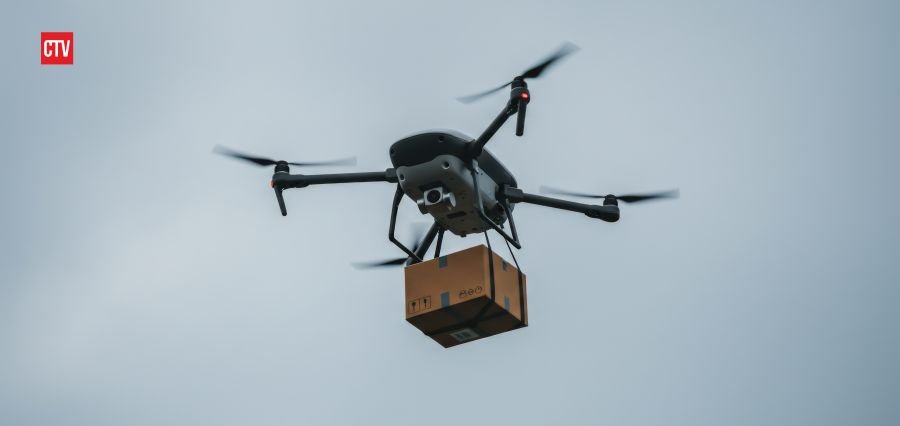
The logistics industry is undergoing significant transformation as businesses search for faster, smarter, and more efficient ways to move goods. Traditional delivery systems often face challenges such as traffic congestion, rising operational costs, and increasing customer expectations for faster service. Emerging technologies are creating new possibilities, and drone logistics networks are becoming an important innovation shaping the future of transportation and supply chain management.
Drone logistics networks use unmanned aerial vehicles to transport goods, improve delivery efficiency, and connect businesses with customers in new ways. These networks combine advanced technology, automation, and data-driven systems to create faster and more flexible delivery solutions.
From healthcare supplies and emergency response materials to retail deliveries and industrial transportation, drone-based logistics solutions are expanding across multiple sectors. As technology improves and regulations continue developing, these networks have the potential to redefine how goods are transported in the modern economy.
Understanding Drone Logistics Networks
Drone logistics networks are interconnected systems that use drones to transport packages, supplies, and materials between different locations. Unlike traditional delivery methods that rely on roads and human drivers, drones can travel through the air, reducing transportation delays and improving access to difficult locations.
These networks typically involve drones, navigation systems, software platforms, monitoring tools, and operational centers that coordinate deliveries. Advanced technologies such as GPS tracking, automated flight systems, and real-time data analysis help ensure safe and efficient operations.
Drone logistics networks are designed to complement existing transportation systems rather than completely replace them. By integrating aerial delivery solutions with traditional logistics methods, businesses can create more flexible and efficient supply chains.
Improving Delivery Speed and Efficiency
One of the biggest advantages of drone-based logistics is faster delivery. Drones can avoid road congestion and reach destinations through direct flight paths, making them valuable for time-sensitive transportation.
For businesses, faster deliveries can improve customer satisfaction and create competitive advantages. Industries that depend on quick transportation, such as healthcare and e-commerce, can particularly benefit from drone solutions.
Drone logistics networks also help reduce delays caused by geographic barriers. Remote areas that are difficult to access through traditional transportation can receive essential goods more efficiently through aerial delivery systems.
Supporting Healthcare and Emergency Services
Healthcare is one of the sectors where drone logistics can create significant impact. Medical supplies, laboratory samples, vaccines, and emergency equipment often require fast and reliable transportation.
Drones can help deliver critical supplies to hospitals, clinics, and remote communities where traditional transportation may be slow or challenging.
Drone logistics networks can play a vital role in emergency response by quickly transporting critical resources during natural disasters. Their ability to operate in difficult environments makes them valuable tools for improving emergency preparedness and response capabilities.
Enhancing Supply Chain Operations
Supply chains depend on efficient movement of goods, accurate tracking, and timely delivery. Drone technology can support these requirements by improving transportation speed and providing greater operational flexibility.
Businesses can use drones for inventory movement, warehouse operations, and last-mile delivery. Automated systems allow organizations to manage logistics activities more effectively while reducing manual processes.
Drone logistics networks can also provide valuable data about transportation patterns, delivery performance, and operational efficiency. This information helps companies optimize supply chain strategies and improve decision-making.
Reducing Operational Challenges
Traditional logistics systems often face challenges related to fuel costs, labor shortages, and transportation limitations. Drone technology provides an alternative approach that can help businesses address some of these issues.
Electric-powered drones can reduce dependence on traditional fuel-based transportation methods and support more efficient delivery operations.
Additionally, automated drone systems can reduce the workload associated with certain delivery processes. This allows companies to focus human resources on tasks that require planning, customer interaction, and strategic management.
The Role of Technology in Drone Operations
Advanced technology plays a critical role in the success of drone logistics networks. Navigation systems, artificial intelligence, sensors, and communication platforms help drones operate safely and efficiently.
With real-time monitoring, operators can oversee drone locations, manage flight routes, and address unforeseen challenges as they arise. Automated systems can improve accuracy and reduce the chances of operational errors.
As technology continues developing, drones are expected to become more reliable, capable, and integrated with broader logistics networks.
Challenges in Implementing Drone Logistics
Although drone logistics offers many benefits, several challenges must be addressed before widespread adoption. Regulations, airspace management, safety concerns, and infrastructure requirements are important considerations.
Governments and aviation authorities need clear guidelines to ensure safe drone operations. Businesses must also invest in proper systems, training, and security measures.
Public acceptance is another important factor. Organizations need to build trust by demonstrating that drone operations are safe, reliable, and beneficial.
The Future of Drone-Based Transportation
The future of logistics is likely to involve a combination of traditional transportation and advanced technologies. Drone logistics networks will play an important role in creating more flexible and responsive delivery systems.
As regulations improve and technology becomes more advanced, drones may become common in areas such as retail delivery, healthcare transportation, industrial operations, and emergency services.
By integrating drone solutions into their operations, businesses can enhance efficiency, streamline deliveries, and strengthen supply chain performance.
Conclusion
Drone logistics networks represent a major development in the evolution of transportation and supply chain operations. By combining automation, advanced technology, and flexible delivery capabilities, drones are creating new possibilities for faster and more efficient logistics.
These networks can support industries by improving delivery speed, enhancing accessibility, reducing operational challenges, and strengthening supply chain performance. However, successful adoption requires careful planning, responsible implementation, and collaboration between businesses, regulators, and technology providers.
As innovation continues, drone-based logistics will become an increasingly important part of modern transportation systems, helping organizations build smarter and more connected supply chains.
Frequently Asked Questions (FAQs)
1. What are drone logistics networks?
Drone logistics networks are transportation systems that use unmanned aerial vehicles to deliver goods, supplies, and materials through coordinated digital platforms and operational systems.
2. How do drones improve logistics operations?
Drones improve logistics by enabling faster deliveries, reaching remote locations, reducing transportation delays, and supporting more flexible supply chain operations.
3. Which industries can benefit from drone logistics?
Industries such as healthcare, retail, e-commerce, agriculture, emergency services, and manufacturing can benefit from drone-based delivery solutions.
4. What are the challenges of drone logistics adoption?
Challenges include regulatory requirements, safety concerns, airspace management, infrastructure needs, and public acceptance.
5. Will drones replace traditional delivery methods?
Drones are expected to complement traditional delivery systems rather than completely replace them. They will provide additional solutions for specific transportation needs.